
How to Get PR Packages From Brands in 2026 (Even With a Small Following)
You do not need a universal follower minimum to get PR packages from brands. What you do need is a clear niche, public examples of useful product content, an easy way to contact you, and a pitch that fits a real brand program.
Start with products you already own. Make one honest demo, tutorial, or review, then approach brands whose customers resemble your audience. Before accepting anything, confirm whether the offer is no-obligation PR seeding, a gifted collaboration with required content, a paid sponsorship, or an affiliate arrangement.
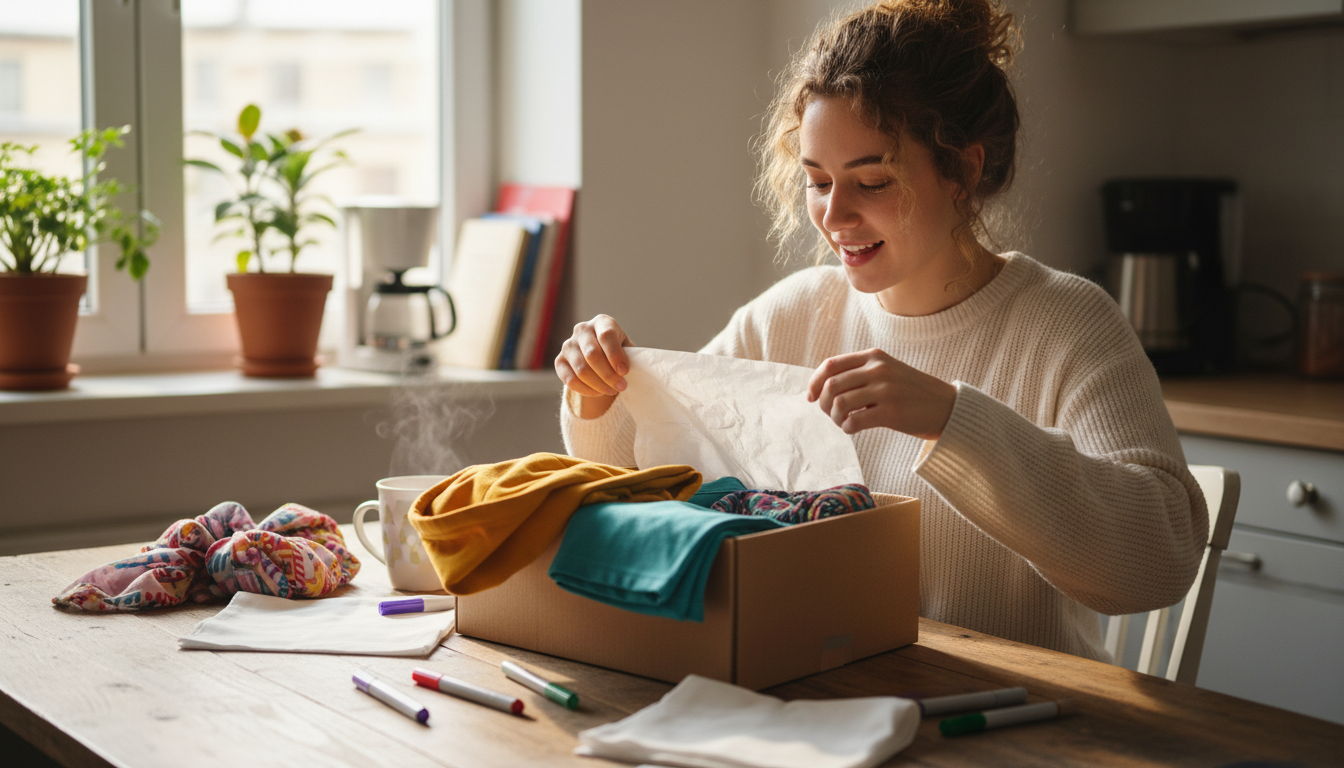
PR Seeding and Gifted Collaborations Are Not the Same
People often use “PR package” for several different arrangements. The label matters less than the written terms.
| Arrangement | What you receive | Posting obligation | What to confirm |
|---|---|---|---|
| PR seeding | A free product sent in hope of coverage | None unless you agreed otherwise | Whether the gift is truly no strings attached |
| Gifted collaboration | Product or another non-cash benefit | Specific content may be required | Deliverables, deadline, usage rights, exclusivity, and costs |
| Paid sponsorship or UGC | A fee, sometimes plus product | Defined by contract | Fee, revisions, licensing, ad usage, and payment date |
| Affiliate partnership | Commission on qualifying attributed purchases | Depends on the offer | Rate, attribution, refunds, holding period, payout rules, and permitted promotion |
A brand may hope you will mention a no-strings-attached gift, but hope is not a contracted deliverable. Ask for the terms in writing before you promise a Reel, review, Story, or usage license.
What Brands Can Evaluate Beyond Follower Count
There is no follower number that guarantees a PR package. Brands and creator programs set their own requirements. A focused smaller account may still be useful when the content and audience fit the product.
- Audience fit: Your viewers resemble the people the brand wants to reach.
- Content fit: Your existing videos or posts show how you explain, demonstrate, or use products.
- Audience quality: Comments and conversations appear relevant rather than automated or purchased.
- Geography: Your audience is in regions the brand can serve.
- Reliability: Your profile has a clear contact method, consistent work, and realistic turnaround times.
Use your own analytics when pitching. Recent reach, watch time, saves, clicks, and audience location are more useful than a generic claim about what every “micro influencer” can achieve.
How to Get PR Packages From Brands: Five Practical Steps
1. Choose a specific content lane
Make it easy to understand who your content helps. “Toddler activity ideas” gives a brand more context than “lifestyle creator.” You can have several interests, but your pitch should connect one audience need to one relevant product.
2. Create product content before pitching
Use something you bought or already own. An honest tutorial, comparison, unboxing, or problem-solving video gives a brand a concrete example of your work.
Useful starting ideas include:
- a short tutorial that solves one problem;
- an unboxing followed by a real first use;
- a comparison based on clearly stated criteria; or
- a “three ways I use this” demonstration.
Do not pretend a self-funded post is sponsored. The point is to show your format and judgment.
3. Make your contact path obvious
- Put a monitored business email on your profile or contact page.
- Keep your bio specific enough that a brand can identify your audience.
- Link to a small portfolio or several representative posts.
- Check message requests, but verify unexpected offers independently through the brand’s official website.
Shopify Collabs is still used for brand partnerships, but Shopify currently says general new creator signup is paused. A new creator can create an account after a direct brand invitation or by applying through a participating merchant’s application page. Existing Collabs creators can continue using their accounts.
4. Send a short, specific pitch
Choose a brand whose product genuinely fits your content. Then propose one idea instead of asking vaguely to “collab.”
Subject: Product-content idea for [Brand]
Hi [Name], I create [type of content] for [audience]. I would like to show [specific product] in a [specific format] focused on [reader/viewer problem]. Here are two relevant examples: [links]. Are you currently considering creators for PR seeding, gifted collaborations, or paid content?
Thanks,
[Name] / [handle] / [email]
Do not promise performance you cannot substantiate. If the brand is interested, ask what it is offering and what it expects before sharing an address or agreeing to work.
5. Review active creator and affiliate programs
Brand-run creator pages and reputable marketplaces can be easier to verify than an unsolicited direct message. Read the current terms instead of assuming that an affiliate approval includes a gift, higher commission, or future paid work.
Before accepting an offer, confirm:
- what you receive and whether you must pay any cost;
- the exact deliverables and deadline;
- where the brand may reuse your content and for how long;
- whether category exclusivity applies;
- the affiliate rate and attribution method, if any;
- refund, cancellation, holding-period, and payout terms; and
- how and where the relationship must be disclosed.
For example, Shopify’s current Collabs guidance says commission amounts are shown in each active partnership. It also explains that commissions can remain pending during a merchant-set holding period and can be canceled if the order is canceled or fully refunded during that period.
What to Check Before You Accept a Package
- Identity: Confirm the sender through contact information on the brand’s real website.
- Costs: Treat an unexpected demand to pay money for a supposedly free PR opportunity as a warning sign.
- Deliverables: Know exactly what must be posted, where, and by when.
- Usage rights: Do not assume the brand can run your content as an ad unless you agreed to that use.
- Creative control: Confirm whether honest criticism is allowed and whether revisions are required.
- Disclosure: Plan the disclosure before filming or writing.
FTC Disclosure Rules for Free Products
If a brand gives you a free or discounted product and you endorse it, the relationship can affect how people evaluate your recommendation. The FTC says the disclosure should be clear, hard to miss, and placed with the endorsement.
Do not rely on “#gifted” by itself. FTC staff says the standalone word “Gifted” is likely ambiguous. If the only benefit was a free product, wording such as “Gifted by [Brand]” or “Thanks to [Brand] for the free product” is clearer.
- Video: Put the disclosure in the video, not only in its description. Making it both visible and audible can help viewers notice it.
- Caption or post: Keep the disclosure close to the endorsement and before text that may be hidden behind “more.”
- Stories: Superimpose a readable disclosure on the image or video long enough to be noticed.
- Live streams: Repeat the disclosure periodically because viewers join at different times.
- Affiliate links: Disclose the commission relationship in the content and near the links where applicable.
Use wording that matches the actual arrangement. A free product, a paid sponsorship, and an affiliate commission are different connections. The FTC’s Endorsement Guides Q&A provides current examples, but your contract and applicable law still matter.
Product Content Ideas That Show Real Use
Products with a visible process can make practical demonstrations easier. That does not make a PR package more likely by itself, but it can help you propose a clear content concept.
- Craft kits and art supplies: Show setup, the activity, and the finished work.
- Personalized products: Explain the ordering or design choices, then show the delivered item accurately.
- Before-and-after products: State the conditions and avoid promising that everyone will get the same result.
- Family activities: Show how the activity fits a real routine, with appropriate privacy and supervision.
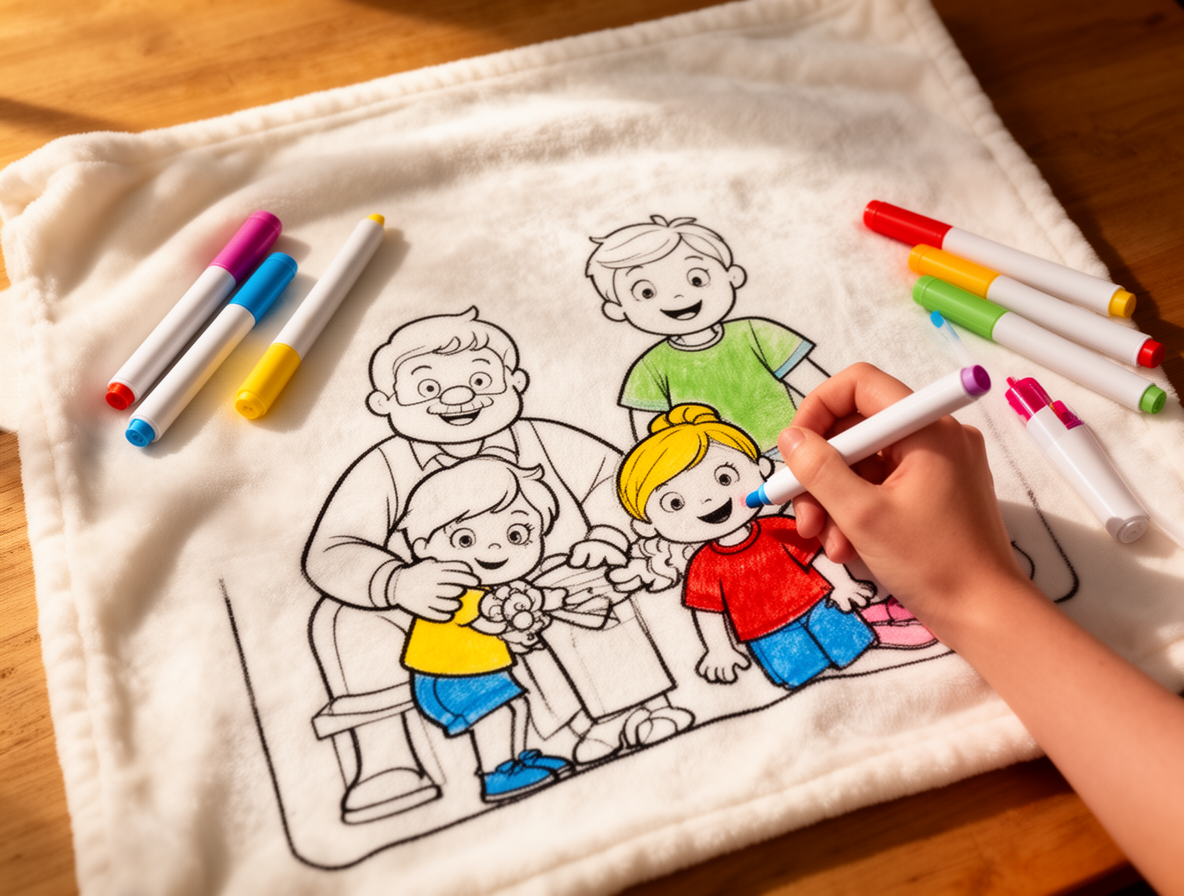
Four Content Formats to Plan After a Brand Says Yes
Use only formats that fit the agreement and your real experience with the product.
1. Order, unbox, and use
Show the relevant ordering choices, the item that arrived, and a genuine first use. Do not imply that an ordinary delivery was a gift unless it was.
2. Before and after
Start with the original item or setup, show the process, and end with the result. Explain any conditions that materially affected the outcome.
3. Activity in progress
Show the product being used rather than only held up to the camera. For a craft product, the process may answer more buyer questions than a posed shot.
4. Gift reveal
If you have the recipient’s permission, show the gift and their real reaction. Avoid scripting a testimonial or making product claims the brand could not substantiate.
DaVinci in You’s Current Creator Program
DaVinci in You has a creator application page for family, craft, teacher, and activity-focused creators. The current public page describes applications through Shopify Collabs, affiliate commission, and free kit seeding when applicable. It also presents custom apparel and blankets designed for on-camera coloring with included markers.
Exact commission, seeding eligibility, shipping availability, discount codes, attribution, deliverables, and payout terms can change and may differ by approved offer. Review the current offer inside Shopify Collabs before accepting or promoting it.
Disclosure: This section describes DaVinci in You’s own creator program.
Frequently Asked Questions
How many followers do you need to get PR packages?
There is no universal follower minimum. Each brand or platform sets its own eligibility rules, so check the current program page and focus your pitch on audience fit, relevant content, and your actual analytics.
Do you have to post about every PR package you receive?
No. A no-obligation PR gift does not require a post unless you agreed to one. A gifted collaboration may include required deliverables, so confirm the terms in writing before accepting.
What is the difference between PR seeding and a gifted collaboration?
PR seeding usually means a brand sends a product without a contracted posting requirement. A gifted collaboration exchanges a product or other benefit for agreed content, deadlines, or usage rights.
How should you disclose a free product?
Make the brand relationship clear and hard to miss with the endorsement. “Gifted by [Brand]” can be clear when the free product was the only benefit; “#gifted” by itself is likely ambiguous. Put disclosures in the video for video endorsements, not only in the caption.
Can new creators join Shopify Collabs directly?
General new creator signup is currently paused. Shopify says new creators can create an account through a direct brand invitation or after applying through a participating merchant’s application page.